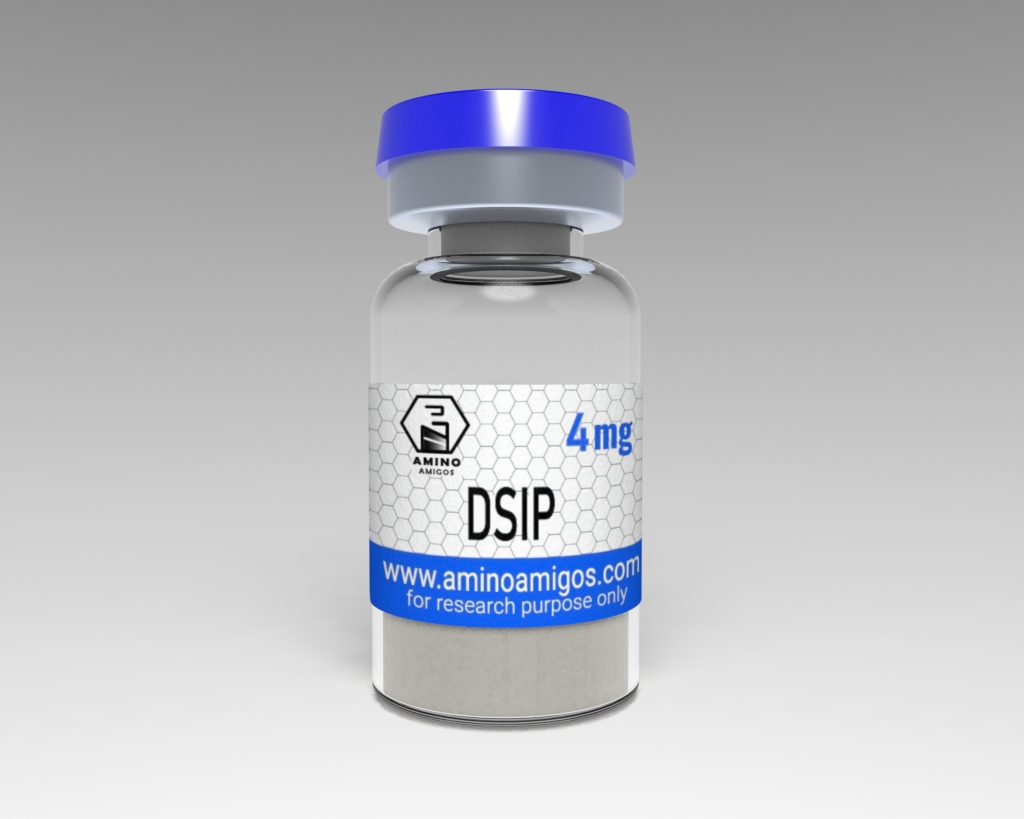
DSIP 4mg
Upon receipt, you will receive an airtight vial of lyophilized powder. To reconstitute the powder, you will require bacteriostatic water and syringe, see Reconstitution Guide.
If you have any inquiries or need assistance regarding the reconstitution process or proper storage, please do not hesitate to contact us via email or live chat. Our team is here to provide support.
Delta-sleep-inducing peptide (DSIP) is a neuropeptide with a range of effects on endocrine and physiological processes within the central nervous system.
- Neuropeptide: DSIP is a naturally occurring neuropeptide, and its name reflects its initial discovery in relation to its ability to induce delta (slow-wave) sleep.
- Endocrine and Physiological Effects: DSIP has been found to influence various endocrine and physiological processes within the central nervous system. It is involved in the regulation of sleep patterns, including the promotion of delta sleep, which is considered a deep stage of sleep.
- Reduction of Oxidative Stress: Research suggests that DSIP may have the ability to reduce oxidative stress. Oxidative stress is associated with the imbalance between the production of reactive oxygen species and the body’s ability to detoxify them. Substances with antioxidant properties, like DSIP, are of interest for their potential to counteract oxidative stress.
- Normalization of Myocardial Contractility: DSIP is reported to have effects on myocardial (heart muscle) contractility. It is suggested to contribute to the normalization of myocardial contractility, indicating a potential role in cardiovascular function.
- Study in Major Depressive Disorder: DSIP is being studied as a potential target in the treatment of major depressive disorder. The involvement of neuropeptides in mood regulation and the central nervous system makes DSIP an area of interest in psychiatric research.
Lab Report
Related products
59 in stock


Copper Tripeptide GLOW Serum
$40.0017 in stock
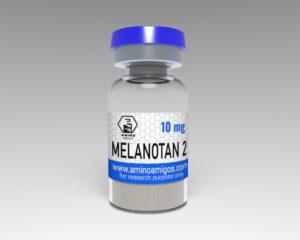
Melanotan Two 10mg
$40.00153 in stock
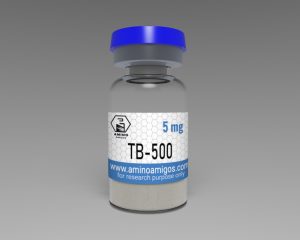
TB 500 5mg
$39.00247 in stock
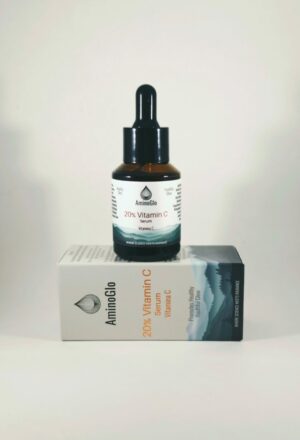
Vitamin C Serum
Original price was: $35.00.$30.00Current price is: $30.00.288 in stock
GHK-Cu 100mg
$65.00212 in stock
Hyaluronic Acid Serum
Original price was: $35.00.$30.00Current price is: $30.00.259 in stock