Sale
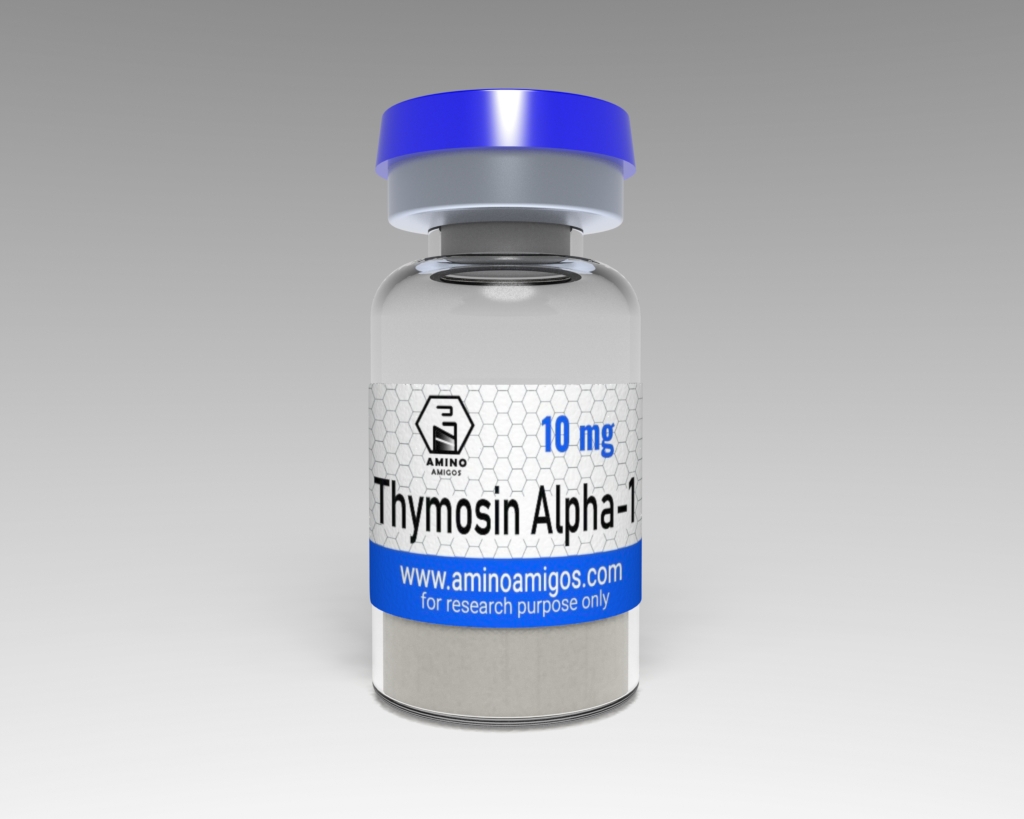
Thymosin Alpha One 10mg
Upon receipt, you will receive an airtight vial of lyophilized powder. To reconstitute the powder, you will require bacteriostatic water and syringe, see Reconstitution Guide.
If you have any inquiries or need assistance regarding the reconstitution process or proper storage, please do not hesitate to contact us via email or live chat. Our team is here to provide support.
Thymosin alpha-1 is a naturally occurring peptide that plays a crucial role in regulating immune function. Here are key points based on the information you provided:
- Immune Function Regulation: Thymosin alpha-1 acts as a modulator of immune function. It is involved in the maturation of T cells, which are essential components of the immune system. T cells play a central role in the body’s defense against infections and abnormal cells.
- Discovery and Isolation: Thymosin alpha-1 was first discovered in 1972 and isolated from the tissue of the thymus gland. The thymus is a primary organ of the immune system, and peptides like Thymosin alpha-1 are involved in the development and regulation of immune cells.
- Applications in Various Conditions: Thymosin alpha-1 has been studied for its potential therapeutic applications in several health conditions, including:
- Cystic Fibrosis: Research has explored its use in cystic fibrosis, a genetic disorder affecting the respiratory and digestive systems.
- Infections (e.g., Tuberculosis, Cytomegalovirus): Thymosin alpha-1 has been investigated for its role in enhancing immune responses against various infections, including tuberculosis and cytomegalovirus.
- Respiratory Disorders: Its immune-modulating properties make it a subject of interest in respiratory disorders.
- Chronic Hepatitis: Studies have examined the potential benefits of Thymosin alpha-1 in chronic hepatitis, particularly in relation to immune system modulation.
- Cancer: Thymosin alpha-1 has been studied for its immunomodulatory effects in cancer, exploring its potential to enhance the body’s immune response against cancer cells.
- Immunomodulatory Effects: Thymosin alpha-1 is considered a potent immunomodulator. It can influence various aspects of immune function, including the maturation of T cells, the activation of immune responses, and the regulation of cytokine production.
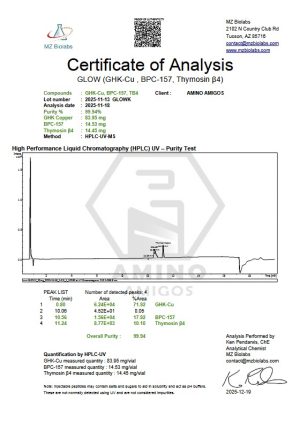
Lab Report
Related products
103 in stock
247 in stock
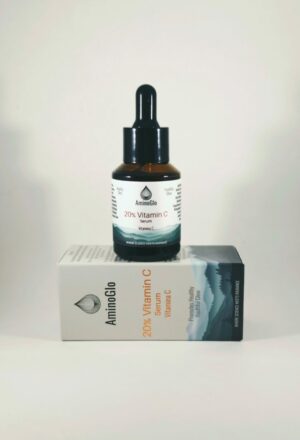
Vitamin C Serum
Original price was: $35.00.$30.00Current price is: $30.00.153 in stock
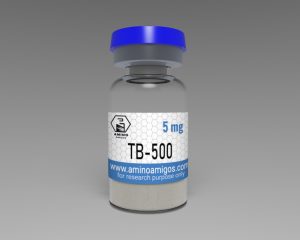
TB 500 5mg
$39.0059 in stock


Copper Tripeptide GLOW Serum
$40.00288 in stock
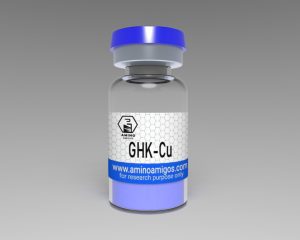
GHK-Cu 100mg
$65.0040 in stock

KPV 10mg
$55.0017 in stock