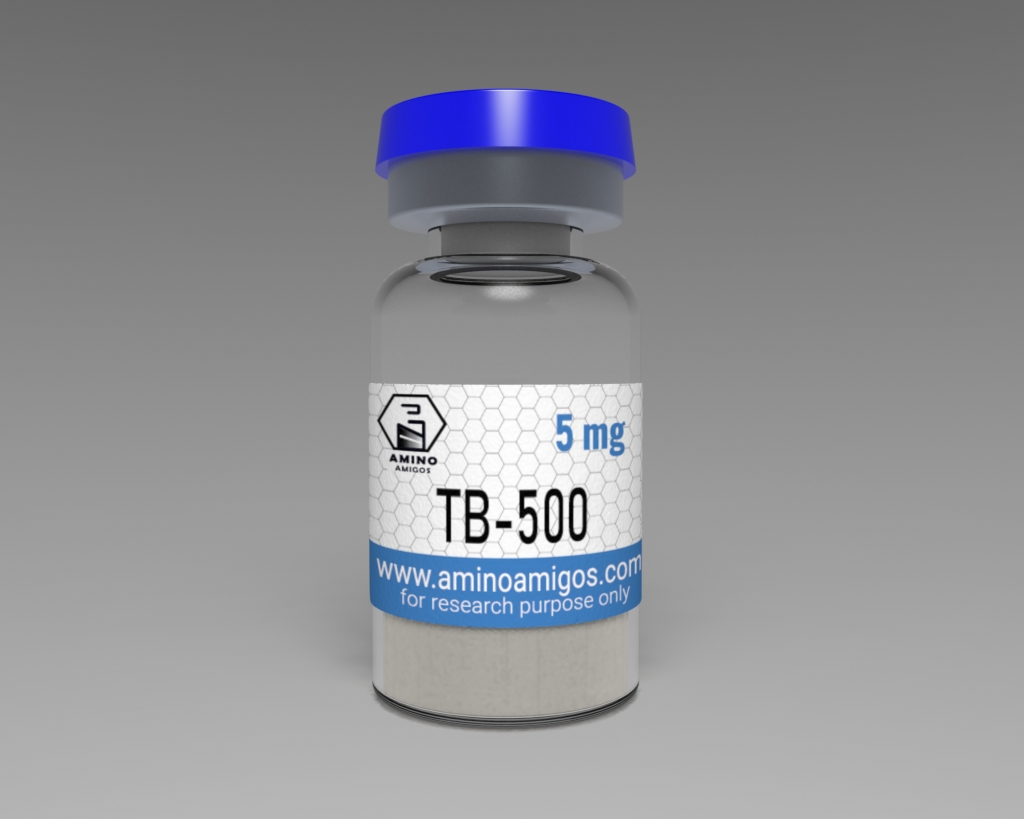
TB 500 5mg
Upon receipt, you will receive an airtight vial of lyophilized powder. To reconstitute the powder, you will require bacteriostatic water and syringe, see Reconstitution Guide.
If you have any inquiries or need assistance regarding the reconstitution process or proper storage, please do not hesitate to contact us via email or live chat. Our team is here to provide support.
TB-500, also known as Thymosin Beta-4, is a peptide , which is found in human and animal cells. TB-500 has been studied for its potential regenerative and healing effects on various tissues and organs, including muscle, tendon, ligament, and skin. It has been shown to promote cell migration, angiogenesis (the formation of new blood vessels), and tissue repair, and to have anti-inflammatory and antioxidant effects.TB-500 is believed to work by stimulating the production of proteins involved in tissue repair and regeneration, and by increasing the availability of cells involved in these processes. It has been researched for its potential therapeutic uses in conditions such as muscle and tendon injuries, wound healing, and heart disease.TB-500 is usually administered by injection, either subcutaneously or intramuscularly, and has been found to be generally well-tolerated in animal studies and early clinical trials with few side effects. However, more research is needed to fully understand the safety and effectiveness of TB-500 as a therapeutic agent in humans.
Research
In the article Progress on the Function and Application of Thymosin β4 Thymosin Beta-4 (Tβ4) has demonstrated potential in healing and regenerating dermal injuries, as evidenced by successful clinical trials. One study involved a randomized double-blind clinical trial where Tβ4 was applied topically to treat a noninfected cutaneous wound of a standardized size on a daily basis. Results showed that Tβ4 had the potential to promote wound healing in patients with epidermolysis bullosa (EB), a potentially devastating disease. Phase II clinical trials for the use of Tβ4 in epidermolysis bullosa, pressure sores, and venous stasis ulcers have also been completed, with positive results. Tβ4 was found to accelerate healing in patients who healed, and approximately 25% of patients with small to moderate wounds could heal completely within three months.
(1) Beta-Thymosins, small acidic peptides with multiple functions
(2) Thymosin beta4: actin-sequestering protein moonlights to repair injured tissues
(3) Thymosin beta4 activates integrin-linked kinase and promotes cardiac cell migration, survival and cardiac repair
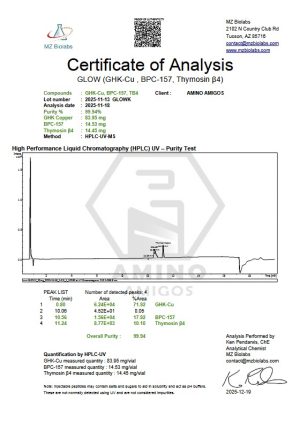
Lab Report
Related products
247 in stock
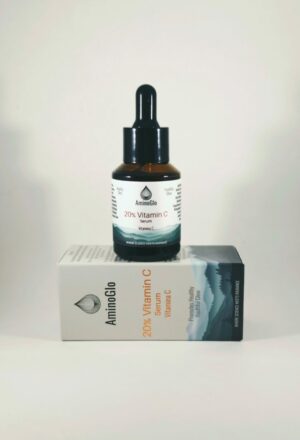
Vitamin C Serum
Original price was: $35.00.$30.00Current price is: $30.00.59 in stock


Copper Tripeptide GLOW Serum
$40.00288 in stock
GHK-Cu 100mg
$65.00103 in stock
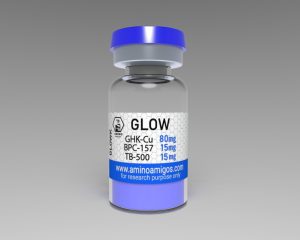
18 in stock

Selank 2mg
$30.0028 in stock
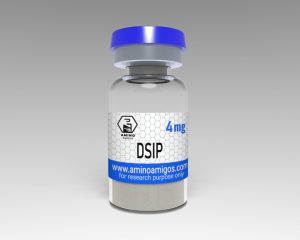
DSIP 4mg
$35.00212 in stock